Understanding the Difference: Dry Rot vs Termite Damage
If you own a home in Murfreesboro, you've likely heard warnings about wood damage. But not all wood destruction is created equal. Dry rot and termite damage might look similar at first glance, yet they require entirely different treatment approaches. Understanding the distinction between these two threats is the first step in protecting your home's structural integrity.
Dry rot is a fungal decay that occurs when wood moisture levels exceed 20 percent for extended periods. Termites, on the other hand, are living insects that actively consume wood fibers as a food source. While both can compromise your home's structural safety, the urgency and method of repair differ significantly. A homeowner who misidentifies the problem might waste time and money on the wrong solution, allowing the real threat to continue spreading unchecked.
What Does Wood Rot Look Like: Identifying Dry Rot
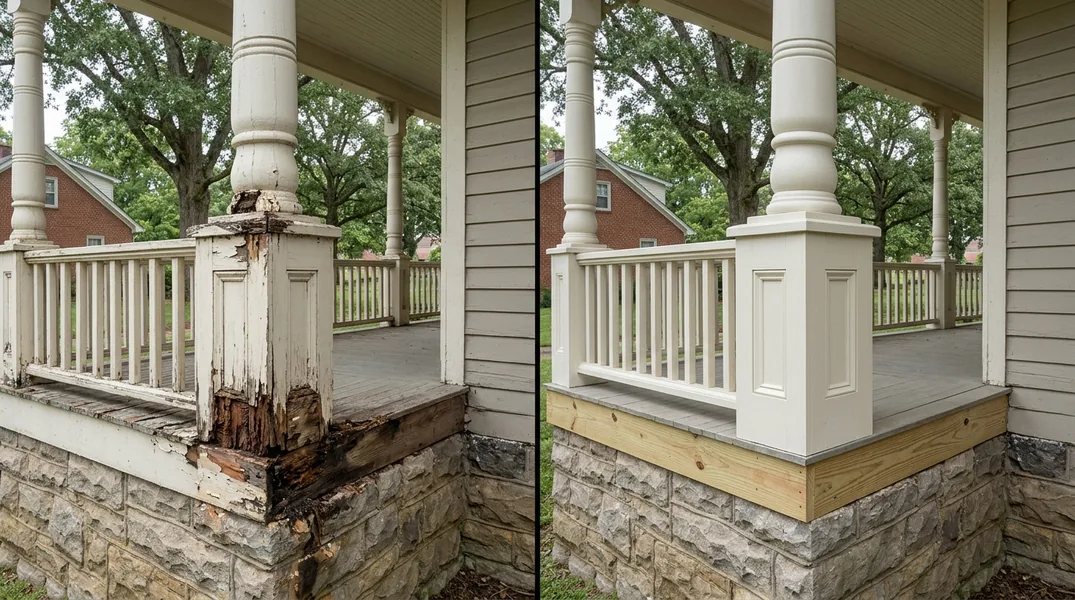
Dry rot presents several distinctive visual and tactile characteristics that can help you identify it before it becomes a major problem. The affected wood typically becomes discolored, ranging from dark brown to grayish tones. One of the most telling signs is that the wood becomes brittle and crumbly when you press on it. Unlike healthy wood that splinters, rotted wood crumbles almost like dried clay or charcoal, and you can often break off pieces with minimal pressure.
Another key indicator of dry rot is the presence of fine cracks that form in a cube-like or cross-hatch pattern across the wood surface. You might also notice a musty, earthy odor emanating from affected areas, particularly in basements, crawl spaces, or around windows and doors where moisture tends to accumulate. In advanced stages, you may see white or grayish fungal growth or mycelium on the wood surface. The damage typically spreads along the grain of the wood, creating elongated areas of decay rather than scattered holes or tunnels.
If you suspect dry rot in your Murfreesboro home, it's essential to act quickly. Wood Rot & Dry Rot Repair should be addressed promptly because the fungal decay will continue spreading as long as moisture remains present. The longer you wait, the more extensive the damage becomes, and the more expensive the repairs will be.
Signs of Termite Damage in Wood: What Termites Leave Behind
Termite damage presents a distinctly different appearance from dry rot, though both can compromise wood strength. The most obvious sign of termite activity is the presence of small, round or oval holes in the wood surface. These exit holes are typically about the size of a pencil lead and are where termites emerge from the wood after consuming it from the inside out. Unlike the surface crumbling you see with dry rot, termite damage often leaves the outer shell of the wood intact while hollowing out the interior.
Another telltale sign of termite damage is the presence of mud tubes or shelter tubes, which termites construct from soil, wood particles, and saliva. These tubes run along foundation walls, basement walls, or support beams and serve as protected highways for termites traveling between their nest and food sources. You might also notice wood that sounds hollow when tapped or that has a papery, thin quality. Termite-damaged wood doesn't crumble like dry rot; instead, it tends to splinter and separate along the grain.
Subterranean termites, the most common species in Tennessee, leave behind a different type of evidence than drywood termites. You may notice discarded wings near windowsills or doors, or find swarmers (winged termites) during spring and early summer. Some homeowners discover mud-colored droppings or frass, which looks like fine sawdust or coffee grounds. If you suspect Termite Damage Repair is needed, professional inspection is crucial because termites can cause severe structural damage while remaining hidden inside the wood.
Key Visual Differences: A Side-by-Side Comparison
To help you quickly assess what you're dealing with, here are the most important visual differences. Dry rot creates a soft, crumbly texture with cube-like cracking patterns and a dark brown or grayish discoloration. The damage spreads along the wood grain and is typically accompanied by a musty odor. Termite damage, by contrast, creates small round exit holes, leaves the wood surface relatively intact while hollowing the interior, and may feature mud tubes along walls or beams. Termite-damaged wood splinters rather than crumbles and doesn't have the distinctive odor associated with fungal decay.
The pattern of damage also differs significantly. Dry rot tends to create continuous areas of decay that spread outward from a moisture source. Termite damage appears as scattered holes and tunnels throughout the wood, creating a honeycomb-like pattern when you break open affected sections. Additionally, dry rot is a one-time problem (though it can spread if moisture persists), while termite damage indicates an active, ongoing infestation that will continue to worsen without professional treatment.
If you're uncertain which problem you're facing, take photographs of the affected area and contact a professional. Murfreesboro Carpentry can help you identify the issue and recommend the appropriate repair strategy.
Why Professional Inspection Matters: Getting an Accurate Diagnosis
While visual inspection can provide clues, a professional diagnosis is invaluable because misidentifying the problem can lead to ineffective repairs and continued structural deterioration. A trained carpenter or pest inspector has the experience to recognize subtle signs that homeowners often miss. They can probe the wood, assess moisture levels, check for hidden damage, and determine the extent of the problem. This expertise ensures that you invest your repair budget in the right solution.
Professional inspection also reveals damage that isn't immediately visible. Dry rot and termite damage often extend deeper into structural elements like floor joists, beams, and wall framing than surface inspection can detect. For example, Floor Joist & Subfloor Repair might be necessary if termites or rot have compromised these critical support structures. A professional can identify which repairs are urgent and which can be addressed in phases if budget is a concern.
When you call Murfreesboro Carpentry at (629) 219-2900, our team will conduct a thorough evaluation and explain exactly what you're dealing with. We'll provide a clear assessment of the damage, discuss repair options, and give you a free estimate so you can make an informed decision about moving forward.
Next Steps: When to Call a Professional Near Me
If you've identified signs of either dry rot or termite damage in your home, don't delay in seeking professional help. Both problems worsen over time and can compromise the structural integrity of your house. The longer you wait, the more extensive the damage becomes, and the more expensive the repairs will be. Early intervention is always the most cost-effective approach to protecting your investment.
For homeowners in Murfreesboro and surrounding areas, Murfreesboro Carpentry is your local resource for expert wood damage assessment and repair. Whether you need Wood Rot & Dry Rot Repair, structural repairs, or Beam Replacement & Load-Bearing Wall Removal, our experienced team is ready to help. Contact us today at (629) 219-2900 or visit our website to request a free estimate. We'll identify the problem, explain your options, and get your home back to safe, solid condition.
Looking for a professional carpentry contractor in Murfreesboro? Murfreesboro Carpentry responds fast for all your carpentry needs.
Get a Free QuoteOur services: Wood Rot & Dry Rot Repair · Termite Damage Repair · Floor Joist & Subfloor Repair